
The ceramics of Laterza represents one of the most authentic expressions of the Apulian ceramics. This tradition, deeply linked to the Laterza majolica, has its roots between the 16th and 17th centuries and has developed over time to become a point of reference for artistic craftsmanship in Southern Italy.
Today, Laertina ceramics continue to thrive in artisan workshops, where ancient techniques and contemporary sensibilities meet to create unique, hand-painted objects imbued with meaning.
The origins of Laterza ceramics
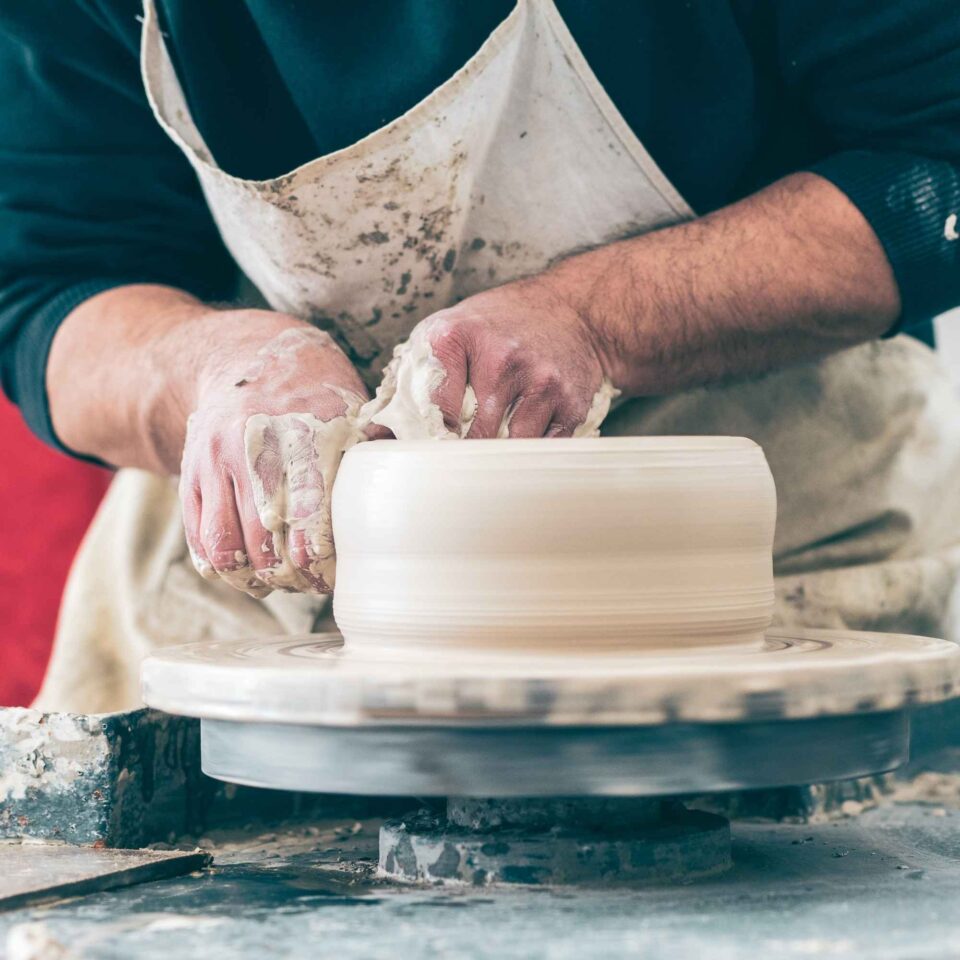
The first evidence of ceramic activity in Laterza dates back to the 15th and 16th centuries, when figures such as the figs, The stazzonari he ruagnari, artisans specialized in working with clay. These initial productions were primarily related to everyday objects, but already during this period, the technical skills that would lead to the birth of decorated majolica were developing. A key document from 1604 attests to the existence of an organized workshop system, with masters and apprentices, and the specific teaching of decorative techniques and colors, a clear sign of the maturity reached by the local ceramic art.
Discover the origins of Laterza ceramics
The birth of Laterza majolica
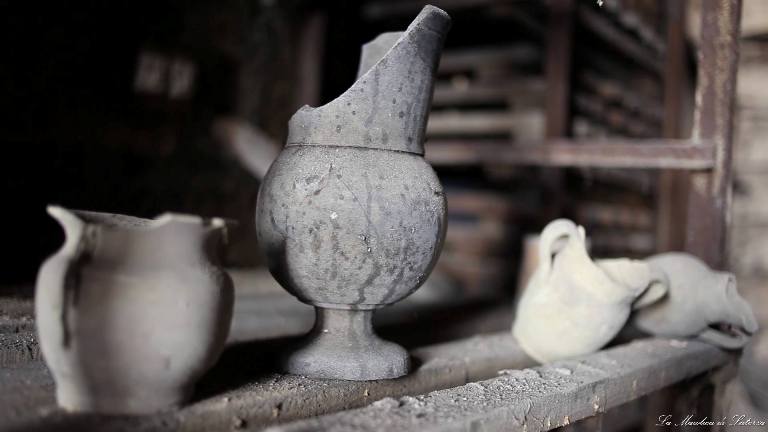
Between the end of the sixteenth century and the beginning of the seventeenth century, the ceramics of Laterza evolved into a more refined production: the Laterza majolica. This type of pottery is distinguished by: the use of opaque white glazes; hand-painted decoration; and the use of colors such as blue, yellow, orange, and green. Production expanded rapidly thanks to the presence of wealthy clients and the commercial diffusion of the products beyond the local area. In fact, by the 17th century, Laertine majolica was already appreciated and sold even in distant centers, a sign of its quality and recognizability.
Discover the birth of Laterza majolica
Techniques and colors of the Laertina tradition
Laterza majolica is characterized by a combination of artisanal techniques and aesthetic research.
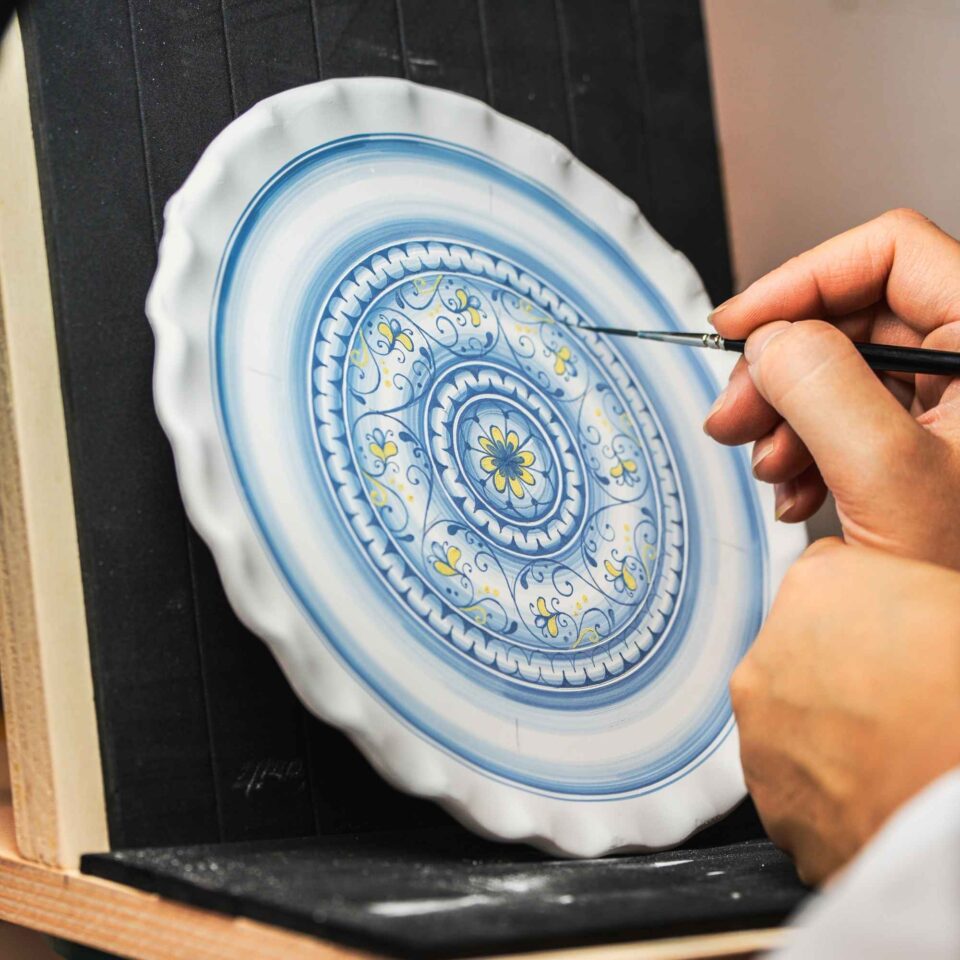
The main stages of the production chain include: clay modeling, first firing, glazing, pictorial decoration, second firing. From a chromatic point of view, the Laertine tradition uses: the blue, dominant color in the decorations; yellow and orange, introduced progressively; the manganese, used for outlines and monochromes. Over time, these techniques evolved, giving rise to different styles, from "compendiary" decoration to the polychrome productions of the eighteenth century.
Discover the techniques and colors of the Laertina tradition
Period of maximum splendor
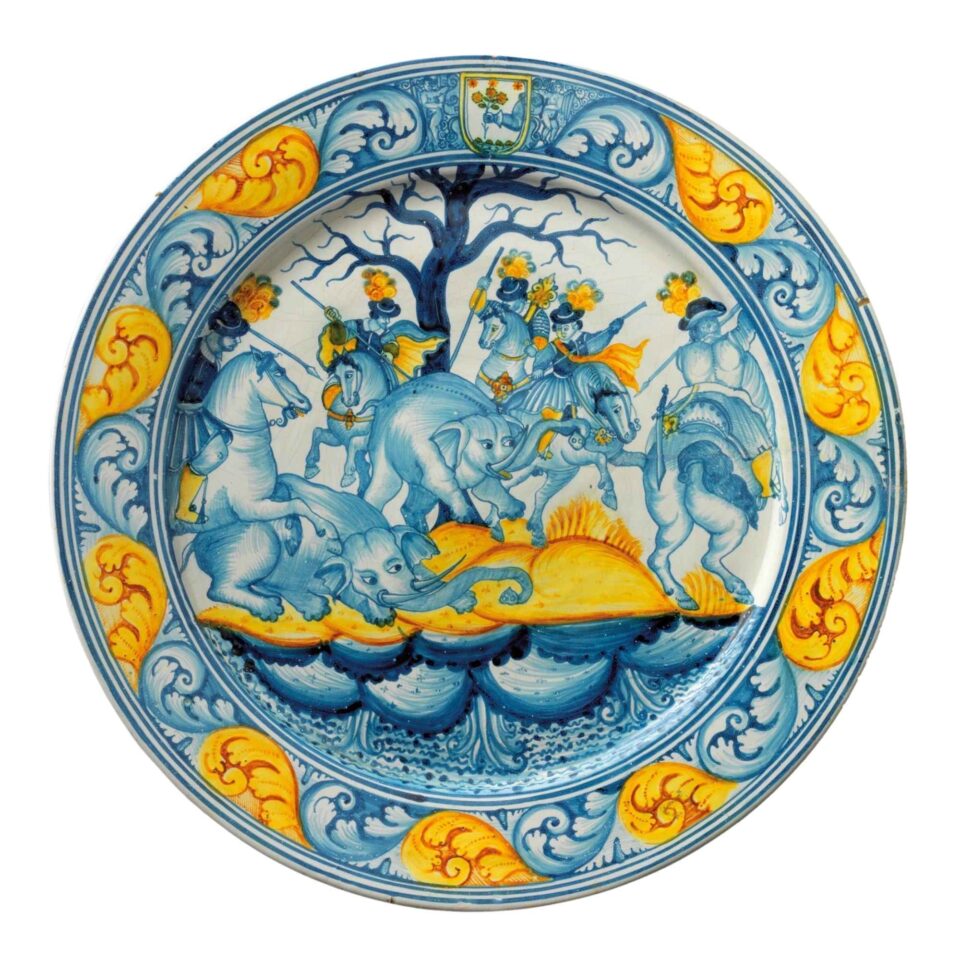
Between the 17th and 18th centuries, Laterza ceramics reached its highest artistic level. During this period, the’historiated Laertine, a decorative typology characterized by mythological scenes, historical episodes, and complex figurative representations. These decorations, often executed in monochrome turquoise, demonstrate a high technical and artistic level, comparable to the finest Italian productions of the time. The works were intended for cultured and wealthy clients, helping to consolidate the prestige of local production.
The decline of the nineteenth century
From the end of the eighteenth century, ceramic production in Laterza entered a phase of decline.
The main causes were: the spread of porcelain; the decline of wealthier patrons; and the rising cost of raw materials. Consequently, the quality of the products declined, and the decorations became simpler and more repetitive. During the 19th century, many workshops closed, and the ceramics industry gradually lost economic importance, although it continued to be present in the area.
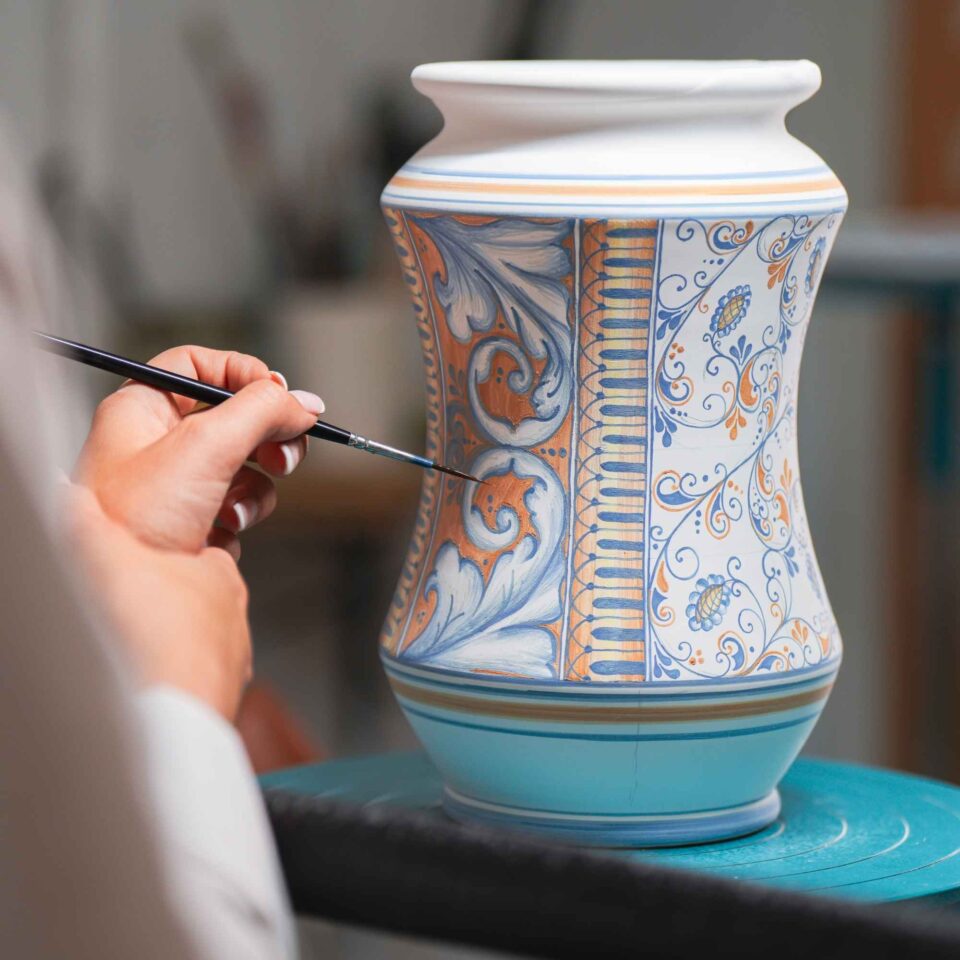
Laterza Majolica Today
Despite the decline, the tradition does not end.
Throughout the twentieth century and up to the present day, Laterza ceramics have experienced a new phase of valorization, thanks to the work of artisans and workshops who have recovered historical techniques and reinterpreted them in a contemporary way.
Today Laterza is recognized as a center of traditional artistic ceramics, with a cultural heritage that continues to evolve and renew itself.
Grottega: tradition reinterpreted
Within this context it fits Grottega, a ceramic workshop born with the aim of giving new life to the tradition of Laterza majolica. In our ceramics laboratory, Each object is handcrafted, starting from traditional techniques and developing a contemporary language. From furnishing accessories to ceramic jewelry, each creation is conceived as a unique piece of artistic ceramics, capable of telling the territory through shapes, colors and decorations.
There Laterza ceramics It's not just a craft tradition, but a cultural heritage that spans the centuries. From the first workshops of the sixteenth century to contemporary realities, this art continues to evolve, maintaining its identity intact. Today, through the work of local workshops, the Laterza majolica continues to be a symbol of the Apulian ceramics, capable of combining history, technique and creativity.